
Before We Hold Insurers Accountable, Let’s Hold Ourselves Accountable
by Logan Payne
Body shops have plenty to say about insurance companies. I do too. When an insurer refuses to pay for a necessary repair operation, we should challenge it. But before we ask another industry to do better, we need to take an honest look at our own shops.
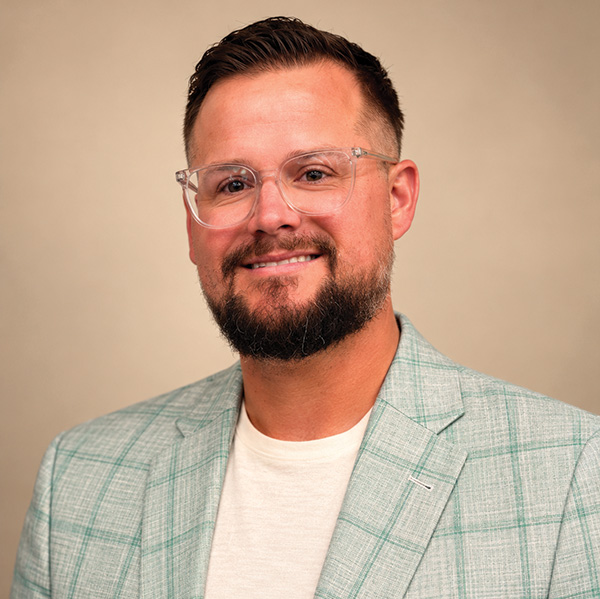 I say that because I’ve been there.
Payne & Sons Collision is a third-generation family business established in 1983. When I came into the business in 2007, we had a reputation for quality repairs. As I grew into management, though, I realized that our reputation alone wasn’t enough to keep pace with modern vehicles.
We didn’t own a spot welder. Our frame equipment was old. We had no 3D measuring system, and we rarely, if ever, looked up OEM repair procedures. We had a lot of changes to make.
It didn’t happen overnight. We invested in equipment, changed our processes and worked to get our shop up to speed within a year. That year hurt financially. But we flourished afterward because we had put the business in a better position to repair the vehicles coming through our doors.
We now hold multiple OEM certifications. We didn’t pursue them because the manufacturers were going to send us work directly. They give us credentials we can market, but their greater value is helping us stay current. Equipment requirements and repair procedures change. Certification programs bring those updates to our attention throughout the year, and annual reinspections give us another reason to examine our capabilities.
I’m not sharing our story to suggest we have everything figured out. I’m sharing it because I know how easy it is for a shop with good people and a good reputation to fall behind without realizing how far things have changed.
Today, we need to ask ourselves hard questions. Is our paint booth suited to the materials and processes we use? Do we have the welding equipment required for the vehicles we repair? Can we properly secure and measure a vehicle during structural repairs? Are we looking up current OEM procedures for each repair and documenting the work we perform?
Buying equipment is only part of it. We have to train our people, maintain that equipment and make following repair procedures part of our daily process. We also have to be honest when a repair exceeds our capabilities.
None of this excuses an insurer for refusing to pay for necessary work. It puts us in a stronger position to make our case. When we can show the procedure, the equipment, the measurements and the documentation, we’re doing more than complaining about an underpayment. We’re showing exactly what a proper repair requires.
ABAT gives us a voice to demand better from insurers. Let’s also use that voice to challenge one another. If our shops are still relying on outdated equipment and skipping repair procedures, we have work to do at home first.
Police yourself first. Then make your demands from a position you can stand behind.
Want more? Check out the October 2026 issue of Texas Automotive!