
Raven Luna – Collin College Technical Campus Collision Instructor
by Alana Quartuccio
The truth is – the collision industry IS as much a lady’s world as it is a man’s. The gals in this auto body world prove it time and time again. Women are in every facet of the collision repair world managing front offices, banging out dents, painting body parts, selling supplies and teaching the next generation. This month, Texas Automotive sat down with a lady who has not only excelled on the shop floor but is also leading young people toward a future in collision repair. Sit back and read all about Collin College’s Lead Collision Technology Professor Raven Luna.
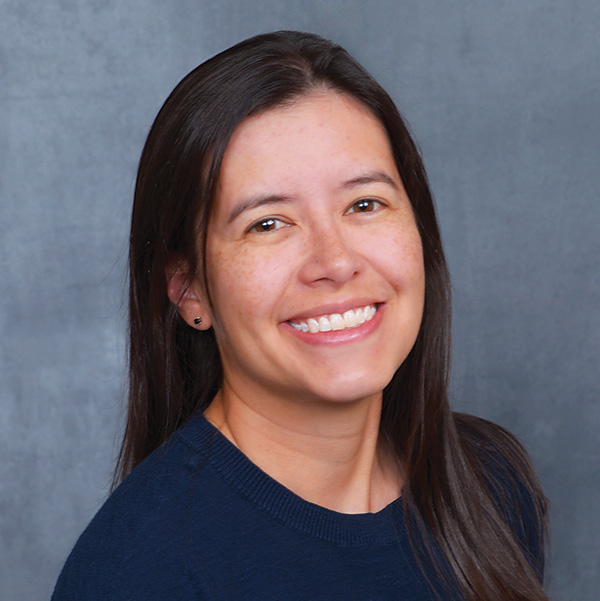 Texas Automotive: How did you get your start in the collision repair industry?
Raven Luna: I got an associate degree in auto body, and then I went to work at a body shop in Dallas, where I got my start. I liked doing paint prep, and then I went on to do painting, which was a lot of fun. I was there for several years.
TXA: What first sparked your interest in collision repair?
RL: It seemed interesting to me as opposed to traditional topics covered in college. I liked the idea of working with my hands and wanted to give it a try.
TXA: What set you on the course to become a collision repair instructor?
RL: I was working at a body shop when COVID happened, and they let some people go, including myself. I had been at Collin College as an adjunct professor, which was a part-time role teaching one or two classes a year. After I was laid off, they told me that a position opened up in their lab so I took it. Collin College has a lot of resources for people who want to get into education, like offering tuition reimbursement, so I set out to get my bachelors degree. I worked on getting my bachelors while working at the lab, which I did for a year until a full-time teaching position opened, and I transitioned over to that. Through my education, I’ve helped grow the collision repair program at Collin College, and it’s helped me become a better teacher. I didn’t have any formal training previously. I knew how to do things hands-on, but I wasn’t really a trained teacher. Having an associates degree in collision was good enough to get hired. I am now finishing up my fourth year of teaching.
TXA: As someone who has been on the body shop floor and at the front of the classroom, would you say there are certain challenges women deal with in this industry?
RL: I am seeing more women enter the field. Last year, we probably had our biggest group yet. At one point, one out of every five students was a woman, so that was really cool. The numbers change, but we usually see a handful of women in the collision repair program. We’re trying to create a new norm; we’re seeing change and that’s exciting! We’re creating a new perception for our students with a female instructor and female students in the class. They’re seeing this in the classroom, so when they get into the body shop, they can acclimate to the idea of women being there. When I started working in a shop, I’d have people come in the back to watch me while I was in the paint booth as they had never seen a woman do that before. Having so many women in our program who will eventually go off to work in shops is really neat. I think we are changing the ratio. Obviously, we can’t do it alone. The college does play a role, but I think the industry overall is changing because some of my best students have been women. I have a few students right now who are running circles around some of the guys because they just have a different work ethic. It’s really neat to see the dynamic in the classroom. Men will try to dominate in some ways while women come in and pay more attention to detail. They are better at seeing colors. It’s really interesting to watch the dynamic in the classroom.
TXA: What do you love most about the industry?
RL: I love how small this industry is in that it’s a small world. The reason for that is because it helps us place students in our network. I’ve had one student go on to work at a shop where he is now the supervisor, and I’ve had two other students go on to work under him. So, when I go visit the shop to see my students, I also get to see my former student. I know people in the industry, and those relationships are valuable as I’m able to help my students get started. We have a large group of students, so we really need to keep up a strong network. We need to stay relevant and know what is going on in the industry in order to properly teach our students. I have been out of the body shop for five years, so I don’t see everything at the same speed. I have a good relationship with those who serve on my advisory committee. I’ll ask them about what they are seeing out there and what we need to work on. It’s a way to check the pulse, so we aren’t teaching old school methods or things that are no longer being done. At the pace repairs are changing, we really have to stay on top of the tools and equipment, glue pulling, ADAS calibrations and other things. It’s really important to have a network for the relevance of the program and to help us stay current.
TXA: Do you have any interesting hobbies outside the collision repair world that readers may find interesting?
RL: I’m a college student just like my students, so I spend a lot of time doing school work. I work all week, and then I have two classes I’m taking online, and I stay really busy with that. One interest I have right now is building Lego sets. It’s a nice outlet to work on something, and it’s always fun.
TXA: What encouraging words would you give to other women interested in entering the field?
RL: I would tell them to put their heart into it if this is something they really want to do. If there are any limitations, we put those on ourselves. There are enough opportunities in this industry for women to be really successful in a lot of different ways. It’s assumed that women should be customer facing because women tend to be a little more empathetic, but women have a big place in other areas of the industry as well. One of my students last year was a phenomenal body helper. If there’s something you want to do, go do it. Find the right place and just excel. Work toward what you want to do because there are opportunities out there.
Want more? Check out the September 2025 issue of Texas Automotive!
>