
Mike Anderson Delivers Good News to ABAT Community
by Alana Quartuccio
All too often, it can feel like the collision repair world is in a constant state of flux.
 Whether it’s wondering why workloads have declined, feeling the sting from tight gripped insurance companies or crumbling from pressures to keep up with technology, Lone Star shop owners – and those across the nation – are scratching their heads, wondering where this industry is headed.
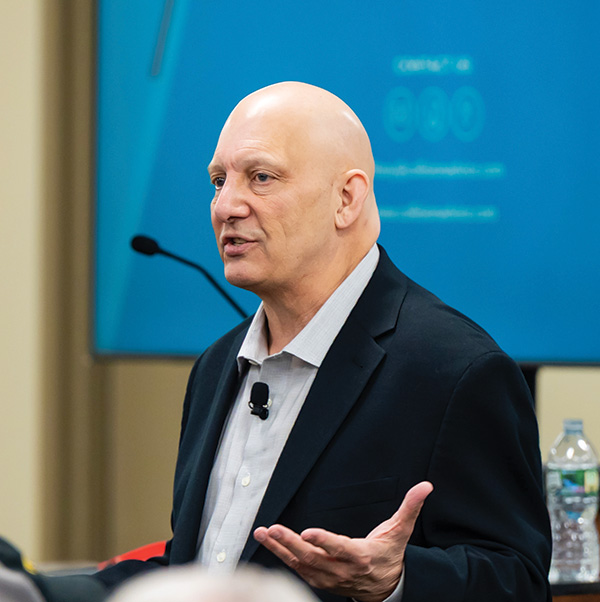
ABAT welcomed Mike Anderson (Collision Advice) to share some good news for the industry during their “Good Morning with Mike” webinar on July 21. Anderson perked up the Lone Star collision repairer audience with tons of industry insight to consider on how to get ready for and manage the current tide of the industry.
Shops around the country are feeling a slowdown in work, Anderson confirmed; however, despite it appearing like it’s a new thing – “it’s not a new normal. It’s the old normal. I’ve been to 32 states this year, and I can tell you that with the exception of Indiana and Nebraska, the next appointment for most shops is either tomorrow or as soon as one hour from now. Smaller shops doing about $200,000 in sales may be booked out about a week. Larger shops doing $400,000 to $500,000, their next appointment is tomorrow. Is this the new normal? No. We just went back to the way things were before COVID; we just forgot what it was like.”
There are several contributing factors that brought the industry to this point. Yes, accidents are happening less frequently due to ADAS functions, 30 percent of claims are total losses nowadays because the average vehicle age is 14.7 years old, and fewer customers are filing claims due to raised premium fears, but according to Anderson, all this means is “we have to get back to basics. We have to get back to selling. We spent two years just being order-takers. We need to sell.”
He suggests shops absolutely need to be open to customer pay as more consumers are choosing to pay out of pocket. “If less than 20 percent of your RO is customer pay, you are scaring off customers as they will think that you only want to do insurance work.”
Shops also need to view their customers as shoppers. “I’m all about fixing cars safely and properly, but in today’s world, consumers are shopping. Consider giving them good/better/best options without ever sacrificing the car being fixed right. Maybe a customer can live with some texture damage in the paint. If 40 percent of customers are paying out of pocket, we need to start educating them about the benefits and pros and cons of paying out of pocket versus using insurance.”
Anderson pointed to opportunities shops can take on to bring more work in: “You will want to do glass work in-house. Quit subletting that out.”
OEM certification is ultimately the way to go as more and more manufacturers are rolling out accident apps. “Our industry has been waiting for this. OEMs can influence where the customers go versus the insurance company telling them where to go. You can get more work sent to your shop.”
ADAS is here to stay, but its gold rush is over. Anderson believes the next gold rush will lie in “doing mechanical work on EVs. EVs need tires every 15,000 miles. The average internal combustion engine (ICE) vehicle needs about $7,000 worth of service work over a 10-year period while EV vehicles amount closer to $10,000. Position yourself to do mechanical work for the OEMs that sell directly to consumers.”
He also got shop owners to think about how to utilize tools and resources to capture the work that happens when the shop is closed. “Car accidents happening outside of normal business hours increased by four percent. Forty-seven percent of consumers have accidents outside of business hours. You have to have a way for consumers to be able to make an appointment off hours.”
At the close of the webinar, ABAT Executive Director Jill Tuggle shared updates about the upcoming Texas Auto Body Trade Show September 12-13 where Anderson will return to give a deeper dive into the state of the industry with “Stay Humble, Stay Hungry.” See page 18 for a full schedule.
Want more? Check out the August 2025 issue of Texas Automotive!
>