
Leading Through Change: Adapting to New Normals in Collision Repair
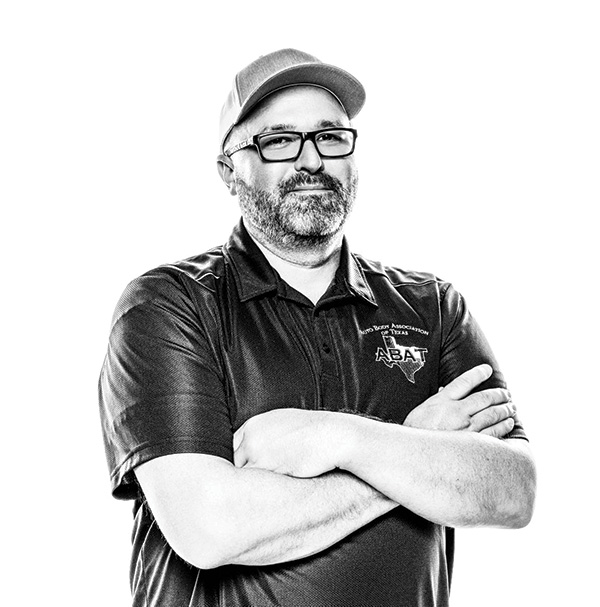
by Greg Luther, ABAT Chairman of the Board
Change isn’t coming – it’s already here, and it’s affecting every shop in Texas. We’re seeing it from the legislative level all the way down to what’s happening on our estimates and in our bays. The way we’ve always done things is being challenged, and shops are having to adjust in real time.
 One area we’re watching closely is the Right to Appraisal (RTA). After progress in the last legislative session, we’re now waiting on final rules from the Insurance Commissioner. This is important for the customers we serve. RTA is a right that belongs to the policyholder and the insurance company – not the shop. We can’t use it, but we can make sure our clients understand what it is.
More importantly, RTA is just one tool available to the customer. If they’re not being paid fairly on a claim, they have options. That could mean invoking the Appraisal Clause in their policy, hiring a public adjusting firm to represent them, paying the difference out of pocket to get the repair done correctly, hiring an attorney or even choosing to move their vehicle to an insurance-preferred shop and hoping the repair is handled properly.
None of those options are perfect, and every situation is different. But what matters is that the customer understands the trade-offs. While some DRP shops are doing the right thing for the vehicle and the customer, many have shown a consistent focus on speed and cost over quality and proper repairs. That doesn’t typically align with OEM procedures, especially when those procedures require more time or expense. Our role as repairers is to make sure the customer understands what’s at stake so they can make an informed decision.
On the shop side, the biggest change right now is AI being used in the claims process. It’s already happening, and it’s changing how claims are being handled. The problem is, many of these AI-generated estimates are being written before the vehicle is properly inspected or torn down, and a large portion of the damage is being missed.
That creates a real disconnect. Customers are led to believe the damage is minor or doesn’t justify a full repair, which can leave them driving unsafe vehicles. Then once the vehicle is properly disassembled, the actual damage is much higher – but carriers may only approve a portion of it.
We’re seeing repair plans that don’t make sense. Vehicles that should be totaled are being pushed into repairs, and in other cases, properly written estimates are being forced into total losses because of projected rental or salvage numbers – decisions that may benefit the carrier more than the vehicle owner. It creates confusion for the customer and more work on the back end for the shop.
That puts us in a tough spot. We’re trying to do the job the right way, but the process being used upfront isn’t always supporting that. So we have to adjust. That means focusing more on the customer – making sure they understand what’s going on with their claim, documenting everything clearly and helping them understand their options when something doesn’t add up.
We’re also seeing a shift in how customers are handling repairs. With deductibles now reaching $2,000 to $5,000, more people are choosing to pay out-of-pocket instead of filing a claim. That changes how we do business. We’re not just dealing with insurance companies anymore – we’re working directly with customers who are making their own decisions about repairs.
That means we have to do a better job explaining what we do and why it matters.
At the same time, ABAT leadership is evolving. At our recent Board meeting, we spent a great deal of time discussing who will become ABAT’s next president and the qualifications for the position. Burl Richards’ shoes will be hard to fill, but leadership is about more than filling a seat – it’s about having the right vision to steer us through the challenges we’re dealing with today.
As an association, ABAT is here to support shops through this. We’re not adjusters, and we’re not negotiating claims, but we are working to connect shops with the right resources so they can continue to operate and protect their customers.
The best way to work through all of this is together. I encourage you to attend the Texas Auto Body Trade Show on September 18–19 at the Marriott Dallas Allen Hotel and Convention Center (more info at abat.us/trade-show). These are the issues we’ll be talking about – what’s changing and how we deal with it.
Change isn’t easy, but it’s where we’re at. The shops that stay focused, adapt and take care of their customers are the ones that are going to come out ahead.
Want more? Check out the May 2026 issue of Texas Automotive!