
Just Venting
by Ken Miller, AASP/NJ President
One unexpected consequence of posting technical collision repair content on social media has been the debates that follow.
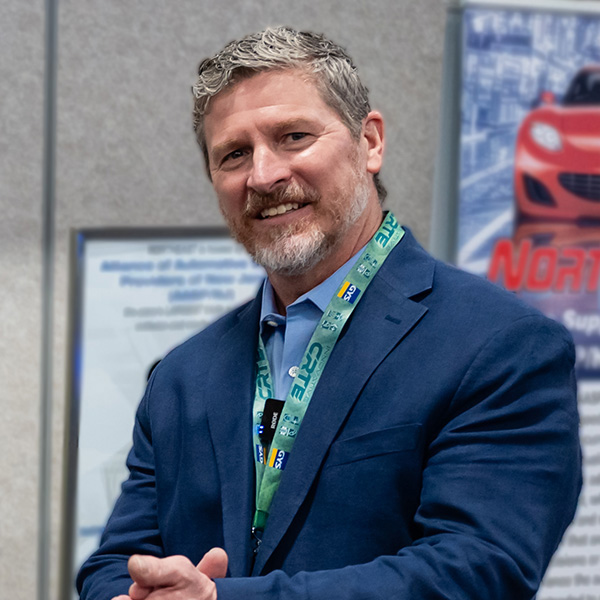 I expected discussion and I welcomed differing opinions. What I didn’t expect was the number of technicians who would publicly argue that they know better than the engineers and manufacturers who designed, built, tested and wrote the repair procedures on the very vehicles they’re repairing.
Almost daily, I find myself engaged in lengthy discussions with technicians who dismiss manufacturer mandates as unreasonable, excessive or simply unnecessary. Some insist their years of experience outweigh the manufacturer’s repair procedures. Others argue that “they’ve always done it this way.” Many vigorously defend positions that have no technical support beyond personal opinion.
Here’s what’s bothering me.
There is an important distinction between 30 years of continuous learning and relying on what you learned 30 years ago. The collision repair industry has changed dramatically. Vehicle construction has changed. Materials have changed. Advanced steels and mixed materials weren’t even a thing! Advanced driver assistance systems have become commonplace and continue to increase in complexity. Manufacturer mandates continue to evolve as new information becomes available. If your knowledge hasn’t evolved with them, then experience alone is no longer enough.
Just because you’ve done something repeatedly doesn’t make it correct. It may simply mean you’ve been doing it incorrectly…repeatedly.
What concerns me even more is when the discussion shifts from what the manufacturer requires to what the insurance company is willing to pay. Somewhere along the way, reimbursement has become intertwined with technical repair decisions. Instead of asking, “What do the manufacturer mandates require?” the question too often becomes, “Will the insurance company pay for it?”
If your understanding of proper repair is shaped more by payment patterns than by manufacturer mandates, you’ve allowed the insurance industry to become your instructor.
Think about that for a moment.
The insurance industry should never become the educational authority on collision repair. Yet, every time we modify a repair because “they won’t pay for it,” that’s exactly what we’ve allowed to happen. Payment decisions do not change engineering decisions. A manufacturer mandate doesn’t disappear because reimbursement was denied. The liability doesn’t disappear. The responsibility doesn’t disappear. Only the payment decision changes.
Unfortunately, this mindset extends far beyond insurance reimbursement. It influences discussions about scanning, calibrations, repair scope, replacement versus repair, parts usage, weld testing and countless other repair operations. Technical decisions are increasingly being shaped by opinions, habits and payment practices instead of manufacturer mandates.
As collision repair professionals, our responsibility is to determine what is necessary to restore a vehicle to a complete, safe and proper condition in accordance with the manufacturer’s mandates. The financial conversation may follow, but it should never lead.
The more I’ve reflected on these conversations, the more I’ve realized my frustration isn’t really with the comments themselves. They’re simply exposing a much larger issue within our industry. Somewhere along the way, too many repair decisions have become disconnected from the very people who engineered the vehicles we’re repairing.
Perhaps it’s time we started talking less about what we’ve always done and more about what we actually need to do.
We’ll save that discussion for another day.
Want more? Check out the August 2026 issue of New Jersey Automotive!