
How Defective Repairs Can Become a Legal Liability for Automotive Repair Shops
by Andrew Bronsnick, Joseph J. Peters and Joshua S. Bauchner of Mandelbaum Barrett PC
Automotive repair shops shoulder tremendous responsibility every time a vehicle leaves the bay.
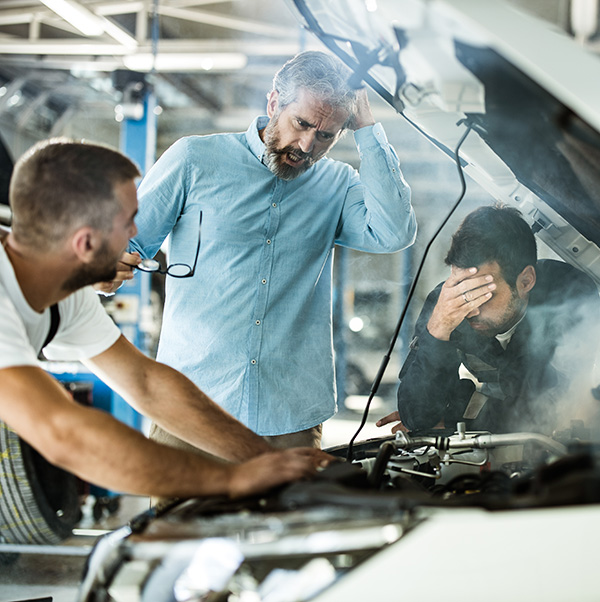 When a tire blows out shortly after installation, a steering component fails unexpectedly or a brake system doesn’t perform, the consequences can go far beyond customer complaints. In serious accidents, repair facilities are increasingly finding themselves pulled into legal disputes alleging improper repairs, faulty installations or missed safety warnings.
How Repair Errors Lead to Legal Exposure
While defective part claims often begin with manufacturers, New Jersey law makes it clear that liability can extend to any business in the repair or maintenance chain. A shop may be held responsible if its work contributed to a failure – whether through incorrect installation, use of unsuitable parts or overlooking a hazardous condition that should have been addressed. Even when the root issue ultimately traces back to a manufacturing flaw, attorneys often examine the repair history to identify mistakes that could support a negligence claim.
Common problem areas include improperly torqued wheels, mismatched tire ratings, misaligned steering components and brake systems reassembled with worn or incompatible parts. Shops may also face scrutiny if they fail to spot major safety risks during routine service, such as deteriorating suspension components or signs of impending tire failure.
The Importance of Documentation
When something goes wrong, paperwork becomes the shop’s strongest defense. Work orders, inspection notes, parts invoices and alignment or torque logs help establish what procedures were followed and whether industry standards were met. These records can significantly strengthen a shop’s position if a claim arises. Without thorough documentation, however, shops may find themselves at a disadvantage in disproving allegations of improper service.
Shared Liability in the Automotive Supply Chain
Responsibility for a defective part or failed repair doesn’t rest with just one entity. Manufacturers, vehicle makers, distributors and retailers may all share legal exposure when a component fails. However, because repair shops are often the last professionals to handle a vehicle before an accident occurs, their work tends to receive heightened scrutiny in the legal process.
Reducing Risk Through Strong Practices
By following manufacturer specifications, using appropriate replacement parts, keeping current on recalls and service bulletins and maintaining meticulous records, repair shops can significantly reduce the risk of legal challenges. These practices not only help keep customers safe – they protect the business if a failure occurs on the road.
Andrew Bronsnick, Joseph J. Peters and Joshua Bauchner are partners with Mandelbaum Barrett PC.
Want more? Check out the June 2026 issue of New Jersey Automotive!