
Material Mayhem and Market Malaise: Inside an Industry Under Pressure
The sky isn’t falling, but it’s getting cloudier.
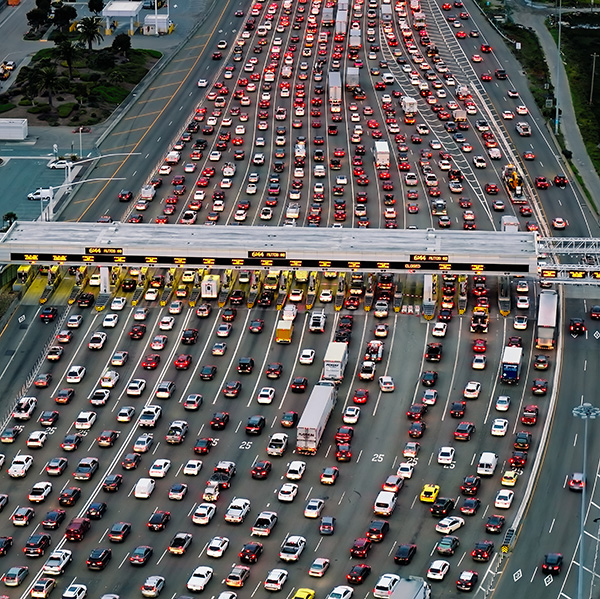 In a decade that began with a pandemic and continues amid war in the Middle East, economic strain and changing times have been felt by everyone from major manufacturers to average working Americans. For the collision repair industry – a trade that encompasses both – the current and projected landscape is rocky at best. Here are a few critical trends pointing to a less-than-smooth ride for repairers, suppliers and other industry stakeholders, both now and into the foreseeable future.
Global Gridlock, Local Strain
Regardless of one’s political perspective on the matter, there’s no debating that the war in Iran has had a considerable effect on our daily lives here at home. This fact was driven home during the July Collision Industry Conference in Illinois, where the Parts & Materials Committee polled attendees on the changes they’ve seen in their customers’ buying habits since the war began in February. Tellingly, more than 57.1 percent of participants reported decreased consumer purchasing, while only 7.1 percent reported an increase and 35.7 percent said things remained status quo.
What could be driving this downturn? Denise Kingstrom-Fernandez, supply chain director for Surventis (formerly BASF), has a few thoughts on the matter. During her presentation on behalf of the CIC Parts & Materials Committee, she noted that a combination of “geopolitical tension,” “global instability” and material shortages has resulted in inventory strain for automotive manufacturers and suppliers, as well as production delays among OEM networks.
Additionally, she detailed how the war is adding logistical burdens to the delivery of essential resources. Tensions surrounding the Strait of Hormuz, a critical location in the Iran conflict, are “impacting about 20 percent of our oil and energy supplies,” while approximately 75 percent of shipments through the Red Sea and Suez Canal has been disrupted or rerouted around the southern tip of Africa, delaying them by an average of two weeks. The various costs associated with these changes are being exacerbated by attacks and cargo theft, leading shipment insurance premiums to increase in “pretty extreme” ways. Additionally, tariffs (particularly on steel and aluminum) continue to present new levels of economic and administrative upset.
The result is a supply chain under siege, with consumers feeling the squeeze as higher costs, longer delays and growing uncertainty put the brakes on spending.
Higher Costs, Harder Consumer Choices
In an era when “geopolitical tension” has become part of the collision industry’s vocabulary and supply chain issues (along with ever-rising costs) affect auto body facilities nationwide, it should come as very little surprise that consumers are feeling the brunt of these and other concerns. A vehicle may be one of most Americans’ highest expenses next to housing, but car owners are also contending with inflation’s impact on everything from their grocery list to their gas tank. Naturally, the picture Kyle Krumlauf, senior director of industry analytics at CCC Intelligent Solutions, presented during last summer’s CIC was far from pretty.
To put it plainly, your average customer likely doesn’t have much money lying around right now.
As of last spring, the average new vehicle transaction price sat around $49,000. Krumlauf noted that nearly 25 percent of car buyers took out 84-month car loans during the first quarter of 2026, while approximately 37 percent of current car loans exceed 73 months. Of these loans, more than 20 percent are being addressed with monthly payments of $1,000 or more. It takes little more than quick math to realize that Americans are paying more than ever just to drive their automobiles, a reality that stings even more when considering Krumlauf’s report that more than 30 percent of them were underwater with their existing loans at the time of trade-in.
Concurrently, consumers are getting more cost-conscious about their insurance coverage. As Krumlauf revealed, approximately eight percent of the nation’s drivers have chipped away at their policies to the point where only liability coverage remained.
“It’s very important to understand that as vehicles get older, as they depreciate in value, fewer of those vehicles that are on the road actually have coverage for a claim to be filed should something happen,” he said.
Additionally, J.D. Power research showed that roughly seven percent of drivers reported skipping a claim to avoid an insurance rate increase.
For collision repairers, the message is clear and concerning: Consumers are paying record prices to keep their vehicles on the road while having fewer dollars and fewer options when those automobiles need to be returned to pre-accident condition.
With three years left in the 2020s, it’s anyone’s guess where the current mix of global turmoil, economic uncertainty and shifting consumer behavior will ultimately steer the collision repair industry. One thing’s for certain: Repairers will need to remain nimble – preparing for challenges they can see coming and those they can’t – if they hope to weather the storms ahead.
At least some things never change.
Want more? Check out the November 2026 issue of Hammer & Dolly!