
One Component, Many Questions: The Megacasting Era Begins
The automotive industry is never short of revolutionary ideas, and the collision repair world is never without the need to keep up.
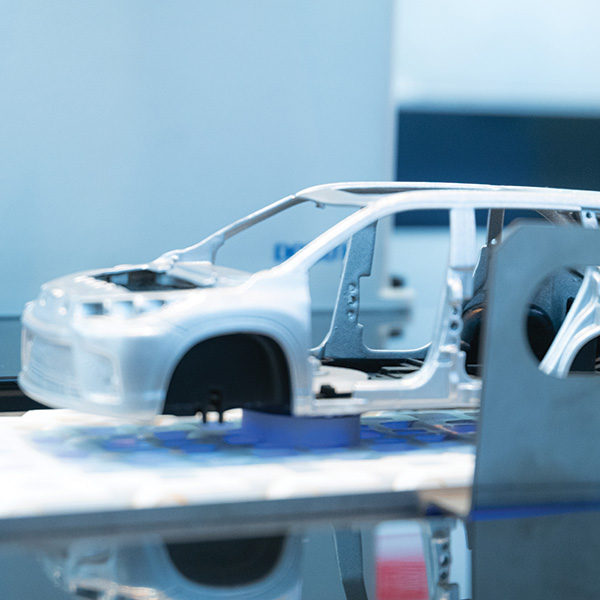 There are likely a few readers of this magazine who recall the unibody boom of the 1970s, and there are certainly many more who remember the initial rise of Direct Repair Programs a decade later. The past two decades have seen everything from aluminum vehicles to insurer-mandated electronic parts procurement procedures impact (and, in some cases, infuriate) the auto body community. Now, we’ve entered the next evolution.
The Mechanics of Megacasting
Because our industry seems to love using multiple terms for essentially the same thing, let’s add three more to the list: hypercasting, unicasting and gigacasting. These are alternative names for what is more commonly known as megacasting, a manufacturing process that uses high-pressure die casting of molten aluminum alloy to produce large, single-piece structural components. By consolidating dozens of smaller parts into a single casting, automakers hope to simplify production while reducing manufacturing costs, assembly time and overall vehicle weight, all without sacrificing structural performance.
The technology gained prominence after Italian die-casting machine manufacturer IDRA Group introduced the first Giga Press in 2018. Tesla later became the first automaker to utilize the technology at scale, using it to manufacture large structural body and underbody components for its electric vehicles.
While the Giga Press has existed for nearly a decade, it’s likely you’ve heard the word “megacasting” more in the past eight months than you have in the past eight years. The reason for the growing interest in the concept is simple: The auto industry is poised to manufacture more lightweight, less expensive vehicles using one main structural component instead of dozens per vehicle. Not surprisingly, some industry analysts expect the global megacasting market to exceed $7 billion by 2035.
How is that supposed to happen? One automaker at a time.
The Dawn of New Design
To say that Ford Motor Co. is a firm believer in the megacasting concept would be an understatement. Last year, the automaker announced a multibillion-dollar commitment to incorporating the technology into the design and manufacturing of its 2027 electric pickup trucks and other models. CBS News and other outlets reported that Ford CEO Jim Farley went as far as calling megacasting “the most radical change on how we design and how we build vehicles at Ford since the Model T.” While the legitimacy of such headline-grabbing grandiosity remains to be seen, Ford’s focus on megacasting will seemingly result in a considerably more affordable electric vehicle. The megacasted EV pickup will reportedly cost consumers $30,000, at least $20,000 less than the more traditionally produced model.
Volvo has already arrived in the megacasting space, introducing the EX60 electric vehicle to the marketplace this past summer. Honda, Toyota and Rivian are among the other vehicle manufacturers reportedly exploring the world of megacasting in one form or another as of this writing.
The Question Marks for Collision Repair
While megacasting could prove to be a boon for automakers, its benefits for the collision repair industry have yet to be determined. At a time when many shops are already struggling to maintain the tooling, equipment and training required to meet their current workloads, will megacasting introduce yet another layer of educational and financial strain to a profession already fighting to catch its breath? With respect to the wider automotive industry, how will replacing multiple car parts with a single unit potentially affect career opportunities for factory employees?
Will independent, non-MSO repair facilities have the space needed to stock these significantly larger cast components? Will traditional repair methods eventually become obsolete as megacasted assemblies begin arriving in repair bays? Will a repair that is based on addressing damage to one major part lead to an increase in total losses? And, perhaps most significantly, will insurers compensate repair facilities adequately for the specialized procedures and expertise required to properly service this next generation of EVs?
Beyond repair procedures, megacasting could also reshape estimating practices and technician certifications. Shops may need to rethink facility layouts and establish closer relationships with OEMs to ensure proper repairs. As vehicle construction evolves, ongoing access to manufacturer repair information may become even more critical for maintaining safety, repair quality and consumer confidence in the finished product.
One thing is certain: There have been plenty of revolutions that were believed to threaten the auto body status quo. While some remain controversial, the industry is still standing despite the growing pains of past trends…and it’s sure to stand (and even thrive) as megacasting continues to take shape.
Want more? Check out the August 2026 issue of Hammer & Dolly!