
Industry Advice Ask Mike: Why Should Shops Consider Bringing Glasswork In-House?
with Mike Anderson
This month, we “Ask Mike” to share his thoughts on how shops can potentially improve their bottom lines by bringing glasswork in-house. We at Hammer & Dolly hope you find the following exchange useful, and we encourage you to reach out to us if you have a question for Mike on this or any industry-related matter that he can answer in a future issue.
 Hammer & Dolly: As shops nationwide look for new ways to generate income, glasswork appears to be a revenue source that’s growing in popularity. Why are more shops performing this work in-house these days instead of subletting it? What are some of the advantages of shops keeping glasswork under their roofs?
Mike Anderson: I’ve been encouraging all my private clients, as well as my 20 Group members, to bring all their glasswork in-house and not to sublet it out. There are multiple reasons why making this change is a good idea. Number one, there’s more profit in the labor when you bring glasswork in-house than when you sublet it out. Number two, you can ensure that the glasswork is done properly – something I don’t feel a lot of sublet providers are doing. Assuming you’re trained properly, bringing it in-house can minimize your liability and better ensure a safe and proper procedure. Additionally, it could be a solid revenue source for you and improve your cycle time.
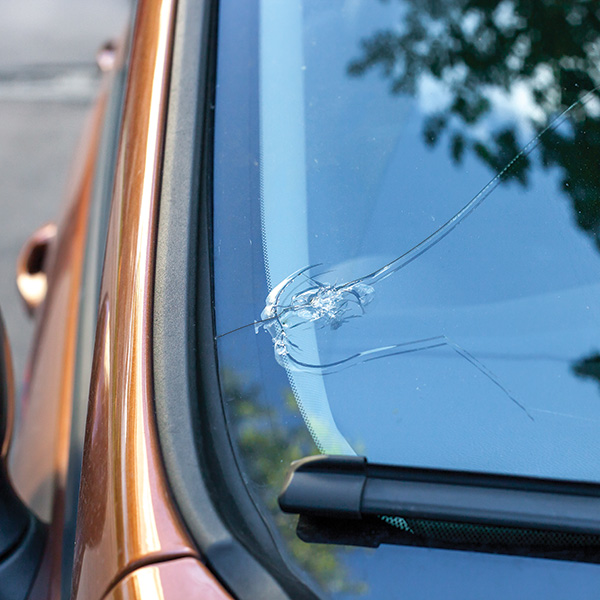
I personally believe that glass laws are going to change. Certain states, such as Massachusetts, have already passed laws saying that insurance companies can’t cancel anyone’s policy or raise their premiums for making multiple glass claims. In Massachusetts, where it’s illegal to drive with a cracked windshield that impedes the driver’s view and is larger than a quarter in size, insurers are required to offer either a $0 or $100 deductible for glass. Drivers aren’t required to purchase this coverage, but the safety risks and legality surrounding driving with a cracked windshield make having it a sensible choice.
More legislators are beginning to understand that glass is important for vehicle and driver safety; they don’t want people driving around with broken glass because they’re afraid of having a premium increase or cancellation. For that reason, I predict this kind of legislation will continue to expand to where we’ll see similar laws in multiple states. Once this happens, we’ll see even more shops looking to make glasswork a prevalent part of their business model. The sooner shops consider this option, the quicker they can capitalize on the demand.
That said, just like with every other procedure in collision repair, the success of in-house glasswork will come down to training. I’m a big fan of Kaizen Glass Solutions, which is based in Texas. I have several clients who have sent their technicians to Kaizen Glass Solutions for training, and they rave about it. Some OEMs, such as Toyota/Lexus, offer their own glass training courses. Ford and Hyundai have also started their own glass networks.
What are the logistical demands in pursuing this training? From my perspective, it’s always best to send out your technicians instead of attempting to provide training in your shop. Kaizen Glass Solutions will come to a facility and provide training, but there’s always the possibility they’ll come on a day when you don’t have vehicles that require glasswork or when there are too many distractions in the shop.
I know a lot of shop owners who have brought glasswork in-house very successfully. If you choose to do it at your facility, it’s very important that if you R&I it, you have a clear understanding with the bill payer over who’s responsible if the glass breaks. That’s a concern for many shops I talk to. I believe that if you’re attempting to remove glass safely and properly, you should not have to be responsible for it. It’s just a matter of being clear with people on your authorization form and with a bill payer.
Billing for glasswork is another matter. In some cases, a customer can get their windshield replaced and submit it to their bill payer afterward. A lot of shops don’t realize that even though you’re a body shop, you can still submit your invoices to a bill payer. Some people will say, ‘Mike, I can’t compete with Safelite Auto Glass and its pricing,’ but that’s a matter of understanding not-included items and how to bill things properly.
H&D: You just mentioned unintentional broken glass as a potential issue. Are there other concerns shops should be aware of if they decide to perform glasswork in-house?
MA: Liability. Make sure you’re using the proper urethane and that the work cures for the proper amount of time before you release the vehicle back to the consumer. The OEM repair information is readily available; you just need to treat glasswork with the same level of professionalism and care as you would with any other procedure.
Ultimately, glass is a huge opportunity for this industry. When you look at the decline in vehicle accidents and insurance claims we’ve seen recently, it’s clear that shops need to diversify to maintain profitability. Glasswork is a great way to do it.
Want more? Check out the March 2026 issue of Hammer & Dolly!