
Over 18 Million ICE Autos Dodge the Junk Pile, Bringing Historic Changes to the Aftermarket
More than 18 million cars and light trucks dodged the junk pile in the U.S. from 2015 through 2025 due to significantly lower average vehicle scrappage rates than during the previous 10 years. Virtually all vehicles escaping the scrap heap were Internal Combustion Engine (ICE) cars and light trucks.
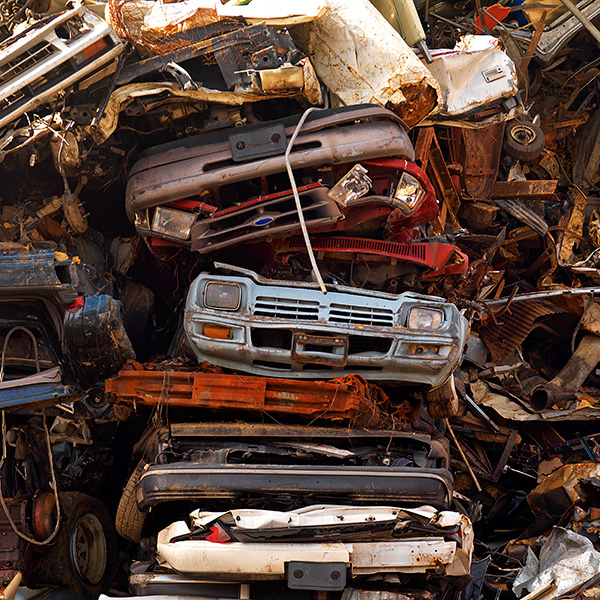 This reduction in scrappage has four significant consequences for the country’s vehicles in operation (VIO): the number of cars and light trucks on the road, the share of domestic and foreign nameplate vehicles, the growth of older automobiles and the VIO domination by ICE vehicles.
Moderate Scrappage Rates
Vehicle scrappage (the removal of vehicles from operation) in the U.S. has traditionally been coordinated with new vehicle sales and the VIO age profile. When new car and light truck sales increase or the number of older vehicles expands, the nation’s annual scrappage rates climb. However, this has not been the case in the last 10 years.
Annual scrappage rates fell from 2016 through 2019, despite a growing population of older vehicles and record-high new vehicle sales during that period. When the new-vehicle market was hit hard by COVID-19, the number of older cars and light trucks on the roads rose sharply but scrappage remained moderate.
From 2020 through 2025, older cars and light trucks, especially those 15 years and older, climbed at a record pace, but annual scrappage rates held at moderate levels.
Vehicles in Operation (VIO)
Lower annual vehicle scrappage rates from 2015 to 2025 boosted the nation’s VIO by more than 18 million cars and light trucks, vehicles that would have ended up in the junkyard had the scrappage rates remained at their previous high levels.
The 18 million cars and light trucks not scrapped accounted for about 55 percent of the total VIO gain (approximately 32 million) during these years.
Changing VIO Nameplate and Age Profiles
Domestic nameplate cars and light trucks have accounted for more than 70 percent of all vehicles scrapped over the past 10 years.
Older cars and light trucks generate a disproportionate share of scrapped vehicles. They are more likely than newer models to be “totaled” in accidents, due to their diminished value, and less likely to be spared from the junk pile when expensive repairs roll around.
However, the domestic nameplate population loss was about 12 million fewer during this period, while the growth of foreign nameplates slowed as a percentage of all cars and light trucks in operation, despite their record-setting surge in the nation’s VIO.
Consequently, the moderate scrappage rates have been a major cause of the record growth in the number of vehicles on the road that are at least 15 years old and the nameplate of the nation’s VIO.
More ICE Vehicles
Virtually all of the more than 18 million cars and light trucks not scrapped from 2015 through 2025 were Internal Combustion Engine (ICE) vehicles.
The number of ICE vehicles not scrapped totaled about three times the number of electric vehicles (BEVs) sold during these years. Consequently, ICE vehicles accounted for 98 percent of the nation’s 2025 VIO, a much larger share than if scrappage rates had remained high and the over 18 million ICE vehicles had not dodged the scrap heap.
ICE Aftermarket Strength
Low annual scrappage rates have helped keep the ICE aftermarket strong in the U.S. Accounting for 99 percent of the nation’s 2025 light-vehicle aftermarket product volume, ICE cars and light trucks will continue to expand their aftermarket sales through 2030 and beyond.
ICE models will dominate older vehicle age groups for decades, ensuring their key position in the evolving aftermarket.
Aftermarket Consequences
Low scrappage rates have impacted the aftermarket in at least four major ways.
First, the expanding VIO and the growth of older cars and light trucks are favorable for aftermarket product growth, particularly as annual miles per vehicle face strong headwinds from the knock-on effects of COVID-19 and other factors.
Second, below-average scrappage affects the foreign and domestic nameplate mix, with consequences for the aftermarket in terms of where automotive parts are sold and where vehicles are serviced.
Third, the dominant ICE share of the VIO has significant aftermarket consequences, ranging from the brands of repair products used to the total volume of aftermarket products and the locations where parts and services are purchased.
Fourth, the continuing growth of older vehicles at least 15 years old, which are virtually all ICE models, is increasing heavy repairs, often involving engines and transmissions, and adding to the number of replacement cycles of a wide range of vehicle components, including brakes, electronics, suspension and engine controls, among other parts.
Six Major Takeaways
• Over 18 million cars and light trucks dodged the junk pile in the U.S. from 2015 to 2025 as average vehicle scrappage rates were significantly lower than during the previous 10 years. Virtually all vehicles escaping the scrap heap were Internal Combustion Engine (ICE) cars and light trucks.
• Vehicle scrappage (the removal of vehicles from operation) has traditionally been coordinated with new vehicle sales and the VIO’s age profile. When new car and light truck sales or the number of older vehicles expands, the nation’s annual scrappage rates have traditionally climbed. However, this has not been the case in the last ten years.
• The 18 million cars and light trucks not scrapped accounted for about 55 percent of the VIO gain from 2015 to 2025. Since domestic nameplates have accounted for more than 70 percent of all vehicles scrapped over the last 10 years, lower scrappage rates have significantly affected the mix of domestic and foreign nameplates on U.S. roads.
• Older cars and light trucks generate a disproportionate share of scrapped vehicles. However, moderate annual vehicle scrappage rates between 2015 and 2025 led to record increases in the average age of vehicles in operation and in the number of cars and light trucks at least 15 years old.
• Virtually all of the over 18 million vehicles not scrapped from 2015 to 2025 were Internal Combustion Engine (ICE) models. Low scrappage has led to ICE vehicles accounting for 98 percent of the nation’s 2025 VIO and 99 percent of its light-vehicle aftermarket product volume.
• Low vehicle scrappage rates have impacted the aftermarket in four major ways. See the recently released 2027 Lang Aftermarket Annual for an in-depth analysis of how the nation’s VIO nameplate mix and vehicle age profiles have changed and the dominant aftermarket position and growth of ICE cars and light trucks. Over 95 percent of the 2027 Lang Aftermarket Annual’s 316 pages present information and analysis available nowhere else. Visit langmarketing.com/lang-auto-aftermarket-annual-report.php for more details.
Want more? Check out the November 2026 issue of AASP-MN News!