
How Pollution Prevention (P2) Protects Your Shop and Your Profits
As automotive repair professionals, you manage more than just vehicles; you also handle a mix of chemicals, waste and emissions.
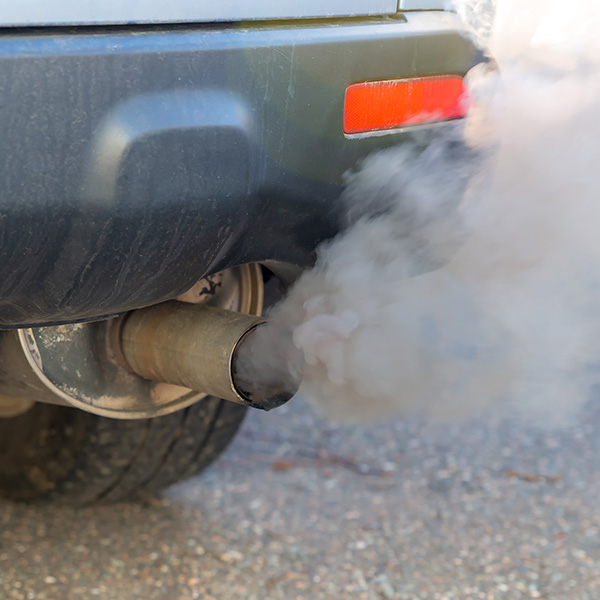 While staying compliant with environmental regulations is a daily requirement, focusing on pollution prevention (P2) takes it a step further. P2 isn’t about how you manage waste after it’s made; it’s about eliminating the waste at the source.
For independent shop owners, reducing pollution (P2) is one of the fastest ways to lower costs, protect your business and create a safer working environment for your technicians. Every gallon of solvent, used oil or hazardous waste your shop generates carries a double cost: you pay for the product upfront, and you pay a hazardous waste fee to haul it away. On top of that, storing these materials means more paperwork, higher insurance rates and extra health risks to your team.
When you focus on preventing waste instead of just managing it, your shop saves money and runs smoother. Here is how:
• Using fewer chemicals means ordering less inventory.
• Generating less hazardous waste means smaller haul-away fees.
• Reducing Volatile Organic Compounds (VOCs) and toxic airborne particles improves shop air quality, keeping your technicians healthy and on the job.
Here are three practical ways to prevent pollution, save money, and keep your shop running smoothly:
1. Switch to Water-Based Parts Washers
Traditional solvent based washers are a primary source of VOC emissions and hazardous waste in the automotive industry. Switching to aqueous (water-based) parts washers utilizes heat, spraying action and safe detergents to clean parts just as effectively.
Why it matters: It gets rid of harsh chemical fumes for your workers and slashes your hazardous waste disposal costs.
2. Use High Efficiency Paint Guns and Waterborne Paints
Wasted paint and solvent are just money thrown away. Make sure your team uses high-volume, low-pressure (HVLP) spray guns. They ensure more paint lands on the vehicle instead of floating off into the air. Also, switching to waterborne basecoats drastically cuts down on chemical emissions.
Why it matters: Buying less paint per job lowers your material costs, and less overspray means your spray booth filters last longer.
3. Introduce Strict Spill Prevention and Dry Cleanup
Hosing down shop floors pushes oil, metals and chemicals straight down the drain and into local water sources. Instead, run a “dry shop.” Put drip pans under leaking cars the moment they arrive. If a spill happens, clean it up right away with absorbent pads or floor sweep instead of washing it down the drain.
Why it matters: Keeping floors dry prevents slip-and-fall accidents, keeps you out of trouble with environmental inspectors, and protects local waterbodies.
Preventing pollution isn’t about slowing down your work, it’s about cutting waste. The smartest tool in your shop isn’t a fancy scanner; it is a smart, efficient operation.
By taking a close look at the chemicals you use, switching to safer options and training your team to reduce waste, you protect your community while running a cleaner, more profitable business.
Want more? Check out the August 2026 issue of AASP-MN News!